
Estimated reading time: 8 minutes
Apartment hunting is one of those things that drains more life out of you than it logically should. You start optimistically, maybe this time it’ll be easy, and within an hour, you’re lost in 27 browser tabs, realizing two of those “new” listings are actually the same apartment posted by different brokers.
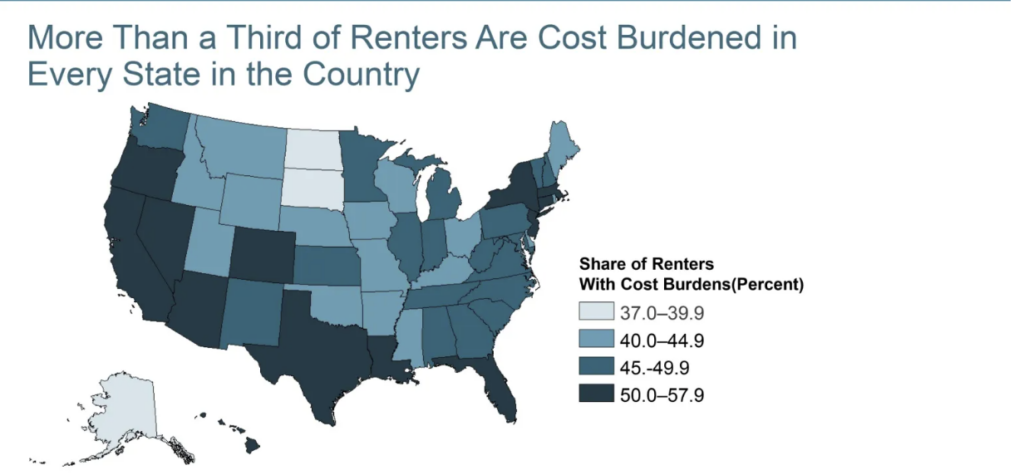
It’s not just psychological. When nearly half of U.S. renters spend more than 30% of their income on housing, every square foot suddenly matters. You’re not just choosing walls and windows; you’re shaping your financial stability and everyday comfort.
This is exactly why AI-based search tools feel like a weird relief. They learn what you care about. Maybe you need a 20-minute commute, or you really, really care about natural light because seasonal gloom is real. Good tools can filter all that out, schedule viewings faster, and help you skip so many pointless dead ends.
That’s the entire reason we’ve been building what we build at June Homes. Renting shouldn’t feel like a marathon in the rain. We want to strip out the guesswork, shrink the stress, and help you get from “searching” to “settled” without feeling like you just survived an obstacle course.
Contents
How AI Apartment Search Works
Ask someone who rented an apartment 20 years ago, and you’ll get a nostalgic tour through newspaper classifieds, paper flyers pinned to coffee shop corkboards, and a lot of “my friend’s cousin knows a landlord.”
The Rise of Online Listings
Then came the era of listing sites. Finally, you could filter by price, beds, baths, and neighborhood. Progress, yes, but you were still scrolling through endless walls of options, clicking and sighing, wondering why your idea of “sunny one-bedroom” didn’t match anyone else’s.
Enter Machine Learning
Fast forward to today, and the process looks almost unrecognizable. Platforms now use machine learning to go beyond checkboxes and keywords. Zillow rolls out natural-language search and AI-generated listing enhancements. Matterport lets you “walk” a floor plan from your couch. You’re interacting with software that’s quietly learning your taste, your quirks, maybe even your obsession with south-facing windows.
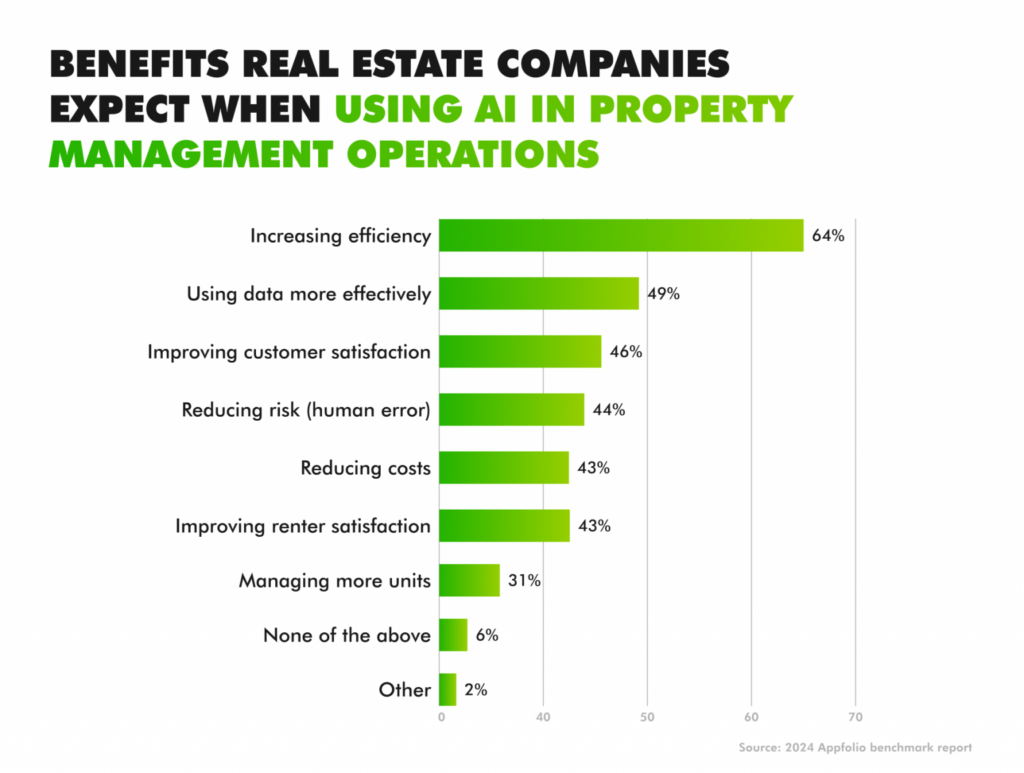
Better data and improved renter satisfaction are some of the benefits of machine learning that real estate companies recognize, as you can see below.
How the System Learns
But how does all this actually work? AI-powered apartment search is just a giant pattern-spotting system fed by your behavior. Every tiny action becomes a signal: the listings you click, the photos you stare at for an extra second, the neighborhoods you repeatedly save, the moments you back out of booking a tour. It all stacks up into a picture of what you actually want.
Algorithms at Work
Then algorithms do what they do best: learn. Collaborative filtering compares you to millions of other searchers to guess what else you’d like. Natural-language processing lets you type, “quiet 1-bedroom near transit with sunlight,” like you’re texting a friend instead of decoding filter menus.
Predicting What’s Next
Predictive models pull from rent indices, listing velocity, and seasonality to estimate price trends and availability windows. And real-time systems fire alerts when something matches your vibe, sometimes even auto-scheduling tours so you don’t end up trapped in endless email chains.
Key Features of AI-Powered Apartment Search Tools
All of this learning-in-the-background stuff sounds great in theory. But what does it actually look like when you’re the one searching for a home and not just reading about algorithms? Let’s break down a few of the ways AI quietly reshapes the apartment hunt.
Advanced Filtering That Actually Feels Personal
Traditional filters can only get you so far. AI can figure out your must-haves even when you don’t spell them out. If you keep liking top-floor units with big windows, expect more of those. If you rarely click on basement studios, those will fade. Over time, your search feels less like a spreadsheet and more like a shortlist.
Virtual Tours and 3D Visualization
High-quality visuals matter. Integrated virtual tours and 3D models let you scan room dimensions, flow, and finishing details without a commute. Providers like Matterport have made digital twins standard on many listings, which cuts down on “surprise” layouts and saves you from touring places that never had a chance.
Look at the sheer difference between the quality of a picture vs an actual virtual tour you can take on your phone.

Predictive Rent Trends And Availability
Good tools don’t just show what’s available. AI can flag when a neighborhood typically sees more openings or when rents ease seasonally. It can nudge you toward better timing.
It’s a bit like how home care pros share lived wisdom: like the step-by-step guide on flushing your water heater most people don’t learn until something goes wrong.The value isn’t the data itself, but knowing it at the right moment.
Advantages of Using AI-Powered Tools For Renters
- Instead of back-and-forth emails or showing up to tour places that were never going to work, you move through the process with a little more sanity, as platforms streamline not just discovery but also admin tasks like applications, approvals, and invoicing.
- When a system understands your criteria up front, you skip the trial-and-error. Many renters now go from search to viable options in a single session.
- The more you interact, the sharper the recommendations. You’ll see places that match your commute, your light preferences, your tolerance for street noise, and that oddly specific layout you keep gravitating toward.
AI gets a lot of attention, but the best platforms bring real people into the mix at the right moments. Just like renters increasingly want safer buildings, homeowners with backyards and pools rely on physical safeguards like pool safety fences to protect kids and pets. The principle is the same: good systems reduce risk, so you don’t have to constantly monitor everything yourself.
And this is really the lens June Homes builds through: renting should feel like clarity, not chaos. If you want to see what that looks like in practice, instant matches that reflect your taste, tours you don’t have to chase, faster approvals, and support that steps in when you need it, you can explore how June Homes approaches the rental process. Think of it less as browsing another listing site and more as trying a search that actually tries back.
Challenges and Considerations
No technology is flawless, and AI in housing isn’t exempt. If anything, because homes touch stability, dignity, and financial well-being, the stakes are higher than in other “smart” tools.
Data Privacy
These systems learn from your behavior, so it matters how that information is collected, stored, and eventually erased. In many regions, laws like GDPR and CCPA already dictate consent and usage, but renters shouldn’t need to be legal scholars to understand their rights.
Platforms need to make it painfully clear: what’s being tracked, why it’s being used, and how you can opt out or delete it.
Bias
AI doesn’t invent prejudice, but it absorbs it if no one intervenes. Historical inequities in housing, like redlining, access gaps, and pricing discrimination, can seep into training data and quietly replicate themselves in recommendations, which is unacceptable. To counter this, platforms need diverse datasets, regular testing, external audits, and hard guardrails aligned with laws like the Fair Housing Act.
Ultimately, renters shouldn’t feel like they’re being sorted by a black box when they’re really collaborating with a tool designed to serve them fairly.
The Future of AI in Real Estate
We’re still early. Expect to see more natural-language search that handles nuance —”two-bedroom with south-facing windows, under $2,800, 30 minutes to the hospital by transit”— and richer visual understanding of listings. AI could identify things like storage, counter space, or potential noise sources from images and floor plans.
On the data side, multimodal models will merge market trends, building-level analytics, and renter feedback to generate sharper predictions. Even beyond search, you’ll see smarter workflows for applications, deposits, and identity checks. There’s potential for verifiable credentials and secure ledgers. Some of these efficiencies mirror the kinds of procedural work handled in real life by legal professionals, like a premises liability attorney, who helps renters navigate complex claims after unsafe conditions or negligence. Technology may streamline paperwork and evidence-gathering, but judgment, advocacy, and accountability remain human roles.
The ecosystem will keep moving toward transparency and control. The “Blueprint for an AI Bill of Rights” points to user rights and protections that are likely to shape the tech we use every day. That’s good for renters and good for trust.
Final Note: Does AI Really Help Apartment Hunting?
Apartment hunting shouldn’t feel like a second job. AI-powered tools shorten the path from “I need a place” to “I found my place.” They surface better matches, fill in context with virtual tours, and smooth the once-messy steps in between. The technology is still growing, but the direction is clear. Faster searches, smarter recommendations, and a calmer experience for renters.
At June Homes, we’re committed to building that future responsibly, with technology that makes real decisions easier and keeps people at the center. If you’re starting a search soon, consider giving AI a shot. It might save you a few weekends and help you land somewhere that truly feels like home.
