
Estimated reading time: 8 minutes

Key Takeaways
- Moving to NYC alone is exciting yet overwhelming, so preparation is essential for a smooth transition.
- Budgeting for moving expenses and understanding NYC’s cost of living helps you avoid financial surprises.
- Choosing the right neighborhood matters greatly; it influences your lifestyle and daily convenience.
- Navigating NYC rentals requires diligence and readiness with documentation to secure housing in a competitive market.
- Adjusting to life in NYC takes time, so be patient with yourself and focus on building routine and community.
There’s nothing quite like the rush of moving to NYC alone. The excitement is electric, but so is the responsibility of planning such a major transition. From navigating apartments to adjusting to the culture of a sprawling metropolis, the process can feel overwhelming.
Many newcomers wish there were a simpler rental experience to make their first months easier. Whether you’re relocating for work, school, or a new chapter in your life, NYC welcomes you—prepared or not. This article makes sure you’re prepared.
Table of contents
Enjoy a Hassle-Free, High End Rental Experience in NYC for Stays of 1 Month or Longer.
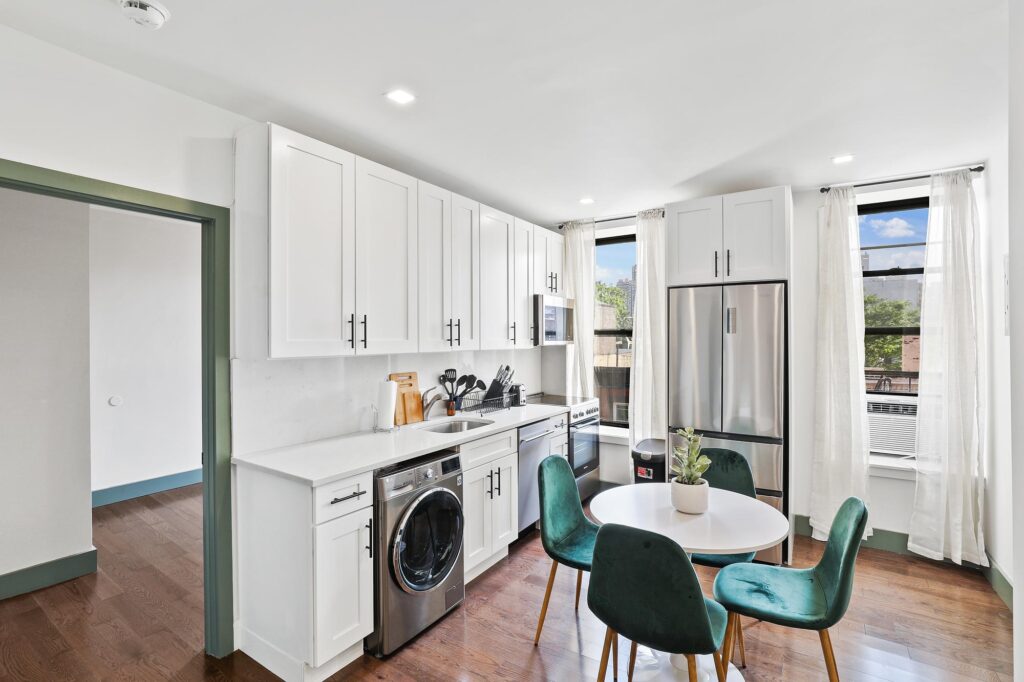


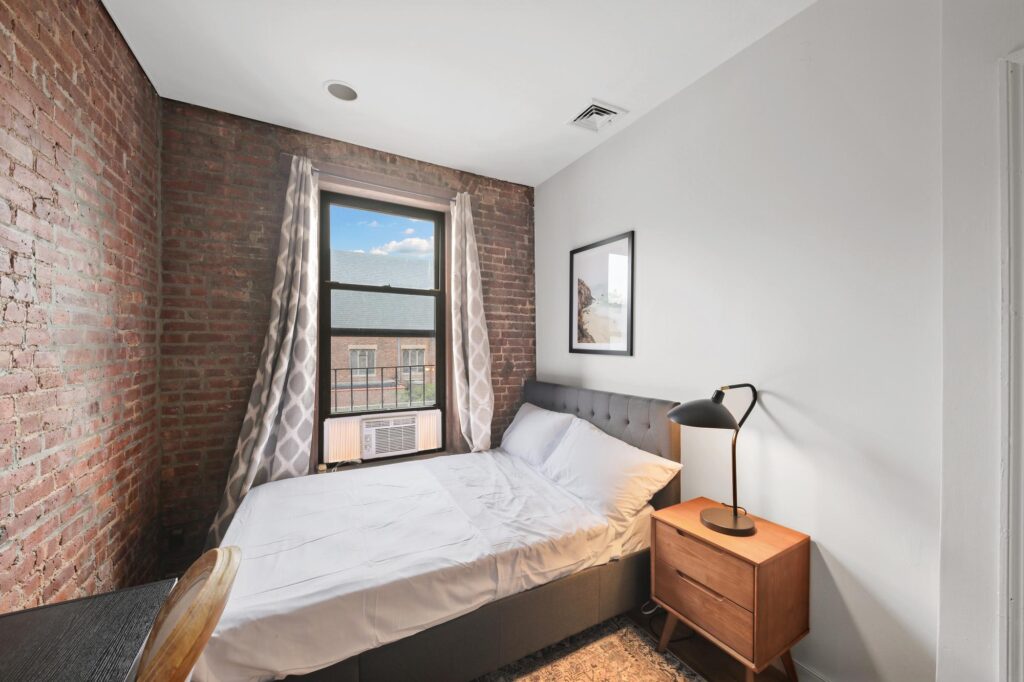

Fully-furnished New York rooms and apartments with flexible lease. Apply today and move in tomorrow.
Budget for Moving to NYC Alone
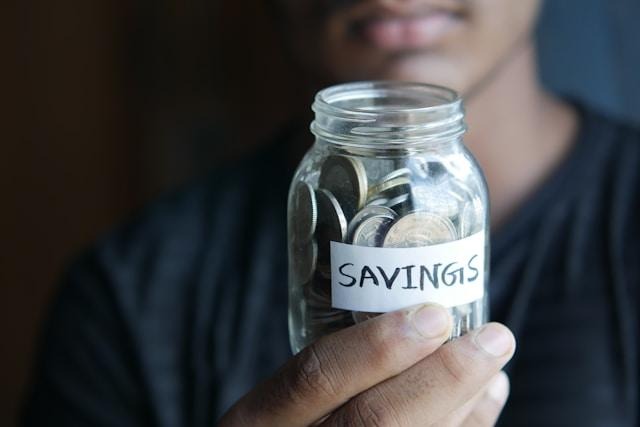
Before you even pack a box, understanding the financial side of your move is non-negotiable. NYC is legendary for its cost of living, but with realistic expectations and a structured budget, you can position yourself for success from day one.
Moving expenses start earlier than people expect. You might need to cover visa fees (if applicable), transportation costs, short-term accommodations, or storage services. Once you’re ready to sign a lease, most landlords require both the first month’s rent and a security deposit up front. If you’re hiring movers, be prepared for New York prices—everything costs more here.
Monthly expenses also need careful calculation. Rent varies drastically by borough, utilities add to the bill, and groceries are more expensive than in many other cities. Transportation through the subway system is affordable, but the cost adds up if you commute daily. Many Canadians moving to NYC alone discover something crucial early on: the exchange rate and lack of U.S. credit history can stretch their budget, so they plan extra savings before relocating.
To streamline your finances, create a pre-move checklist of every potential cost. It’s easier to feel confident when you know exactly what’s coming.
Pick the Right Neighborhood for Your Lifestyle
Your neighborhood becomes your base in New York City, so it should fit your routine, comfort level, and long-term goals. Each borough carries its own rhythm, from Manhattan’s fast pace to Brooklyn’s creative energy, Queens’ diversity, the Bronx’s green pockets, and Staten Island’s quieter, suburban feel. Understanding these differences helps you narrow down where you’ll feel most at home once you arrive.
This step matters even more for Canadians who choose to move to New York City, because the transition involves more than adjusting to a new address. Visa and immigration essentials shape how quickly you can secure long-term housing. Living expenses differ sharply from what many people pay in Canada, especially when comparing rent, groceries, and transportation. Weather patterns also shift, with New York’s humid summers and unpredictable winters catching some newcomers off guard. The NYC tax system adds another layer of learning, since city and state taxes work differently from those in Canada.
As you compare neighborhoods, you can ensure a seamless shift from Canada to New York by using map tools, local forums, and community groups to get a feel for commute times, grocery options, safety, and overall lifestyle fit. Also, many Canadians moving to New York City choose sublets or furnished rooms at first to keep flexibility while exploring different boroughs. This approach gives you space to understand the city’s rhythm before committing to the neighborhood that feels right for your daily life.
Navigate NYC Rentals Without the Stress
The rental market in NYC is fast, competitive, and often intimidating—even for people who grew up around it. Preparation is everything. Landlords expect financial verification, including proof of income, bank statements, and sometimes tax records. Because apartments get rented quickly, having these documents ready ensures you don’t miss opportunities.
Income requirements are strict: most landlords require tenants to earn 40 times the monthly rent. That is why many new residents rely on guarantors. If you don’t have one locally, many services offer paid guarantor options.
The apps are useful—June Homes, StreetEasy, Zillow, Facebook groups—but be cautious about scams. View apartments in person when possible, never send deposits without a contract, and read every clause of your lease.
One aspect that surprises people is how much age affects confidence. Renting while moving to a new city alone in your 20s feels overwhelming because everything is new: independence, responsibilities, documentation, and decision-making. The secret is to slow down and think of your rental search as a long-term investment in comfort, safety, and mental well-being.
A great example comes again from Canadians moving to NYC alone, who often struggle with U.S. credit checks. They succeed by offering larger deposits, securing guarantor services, or providing proof of foreign creditworthiness. Their approach shows that obstacles can be managed with preparation and flexibility.
Settling In: Building Routine, Confidence, and Community
Once the boxes are unpacked, the real journey begins—turning NYC from a place you moved to into a place you live in. Solo life in a huge city feels empowering, but it can also feel lonely without structure.
Start with basics: get your MetroCard, set up your U.S. phone plan, and locate your nearest grocery store, pharmacy, and urgent care center. Become familiar with your neighborhood’s streets, transit lines, and local etiquette.
A simple routine helps you feel grounded. You’ll find more comfort once you start forming new habits and meeting people. Explore coworking spaces, join interest-based Meetup groups, attend classes, or volunteer locally. Many people form friendships through fitness studios, creative workshops, or community events.
A practical week-one checklist:
- Open a local bank account
- Finalize your lease paperwork
- Set up utilities
- Get a MetroCard
- Update your address where needed
- Buy a monthly essentials kit, and
- Locate key neighborhood spots.
As you settle in, remember that many newcomers find stability when they shift from temporary living arrangements to long-term rentals in NYC. Committing to a longer lease gives you the psychological sense of home that turns a chaotic city into a personal sanctuary.
Give Yourself Time and Practice Self-Compassion
Adjusting to a new city, routine, or lifestyle takes longer than most people expect, so be gentle with yourself throughout the process. Progress isn’t linear, and it’s completely normal to feel overwhelmed even months after a big transition. Give yourself time to learn, adapt, and feel grounded. If you notice that no matter how much time has passed, you still can’t settle in, don’t hesitate to reach out for support—whether from friends, professionals, or community resources. Asking for help isn’t a sign of weakness; it’s a powerful step toward feeling stable, supported, and truly at home.
NYC Becomes Home Faster Than You Think
At first, moving to NYC alone feels massive—financially, emotionally, and logistically. But the transformation from newcomer to New Yorker happens faster than expected. With a clear budget, a smart renting strategy, and a deliberate approach to settling in, the city opens up and starts working in your favor. For anyone moving to NYC alone, this isn’t just a relocation—it’s a reinvention. And you’re ready for it.
